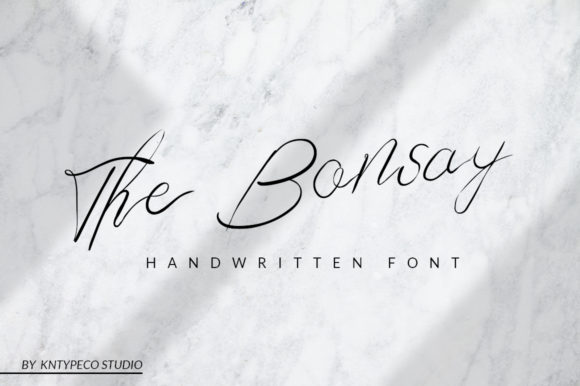
Elevate Your Editorial Design with The Bonsay Font
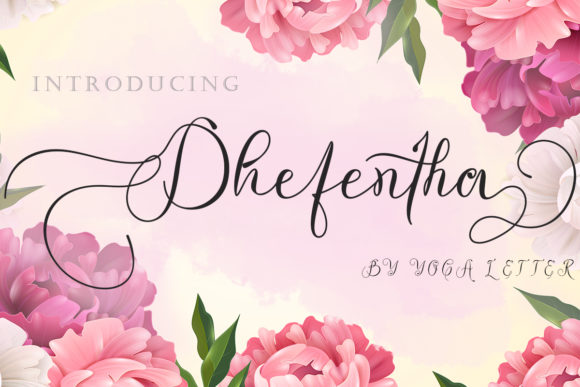
The Bonsay is a premium script font that brings a touch of elegance and sophistication to any design. With its clean, thin, and smooth lines, it's perfect for adding a refined and delicate aesthetic to your editorial projects. Whether you're designing a blog header, a magazine cover, or an ebook title, The Bonsay can help you create a visually appealing and engaging layout.
Visual Characteristics and Editorial Appeal
The Bonsay stands out with its graceful, flowing strokes and subtle, yet distinct, personality. Its thin, elegant lines make it a versatile choice for various editorial uses, from high-end fashion magazines to lifestyle blogs. The font's clean and modern appearance ensures that it complements a wide range of design styles, making it a valuable addition to your creative toolkit.
Perfect for Headings and Titles
One of the standout features of The Bonsay is its suitability for headings and titles. Its readability and visual impact make it an excellent choice for blog headers, ebook titles, and newsletter graphics. For example, using The Bonsay for the main heading of a lifestyle blog can instantly set a sophisticated and inviting tone, drawing readers in with its elegant presence.
Enhancing Visual Hierarchy and Reader Engagement
Incorporating The Bonsay into your editorial designs can significantly enhance the visual hierarchy and reader engagement. By using this script font for key elements like chapter openers, section headings, and pull quotes, you can guide the reader's eye and create a more structured and engaging reading experience. This is particularly useful in long-form content such as ebooks and digital magazines, where maintaining the reader's attention is crucial.
Practical Examples for Content Creators
- Lifestyle Blog: Use The Bonsay for the main heading and subheadings to add a touch of elegance and sophistication.
- Recipe Ebook: Incorporate The Bonsay for the title and chapter headings to give a refined and appetizing feel to your recipes.
- Wedding Guide: Apply The Bonsay for the cover text and section titles to create a romantic and stylish look.
- Coaching Workbook: Utilize The Bonsay for the workbook title and section openers to convey a professional and inspiring tone.
- Digital Magazine: Use The Bonsay for the cover and major article headings to add a modern and chic aesthetic.
Readability Considerations
While The Bonsay is highly effective for headings and titles, it's important to consider readability for longer text. For body copy, pair The Bonsay with a readable serif or sans serif font to ensure a balanced and comfortable reading experience. This combination not only enhances the overall design but also supports the reader's engagement with the content.
Font Pairing for Editorial Use
To maximize the impact of The Bonsay, consider pairing it with complementary fonts. A classic serif font can provide a traditional and trustworthy feel, while a clean sans serif font can offer a modern and minimalist touch. For instance, using a serif font for the body text and The Bonsay for the headings can create a harmonious and visually pleasing layout.
Commercial Licensing and Design Assets
When using The Bonsay for commercial projects such as ebooks, templates, printables, and paid newsletters, it's essential to check the licensing terms. Ensuring that you have the appropriate commercial license will allow you to use the font legally and professionally, enhancing the credibility and quality of your publications.
Conclusion
The Bonsay is a versatile and elegant script font that can elevate your editorial designs to new heights. Its clean, thin, and smooth characteristics make it an ideal choice for headings, titles, and other key elements in your content. By carefully considering its use and pairing it with suitable fonts, you can create a visually stunning and engaging publication that resonates with your audience. Whether you're a blogger, publisher, or content creator, The Bonsay is a valuable asset for your design toolkit.